
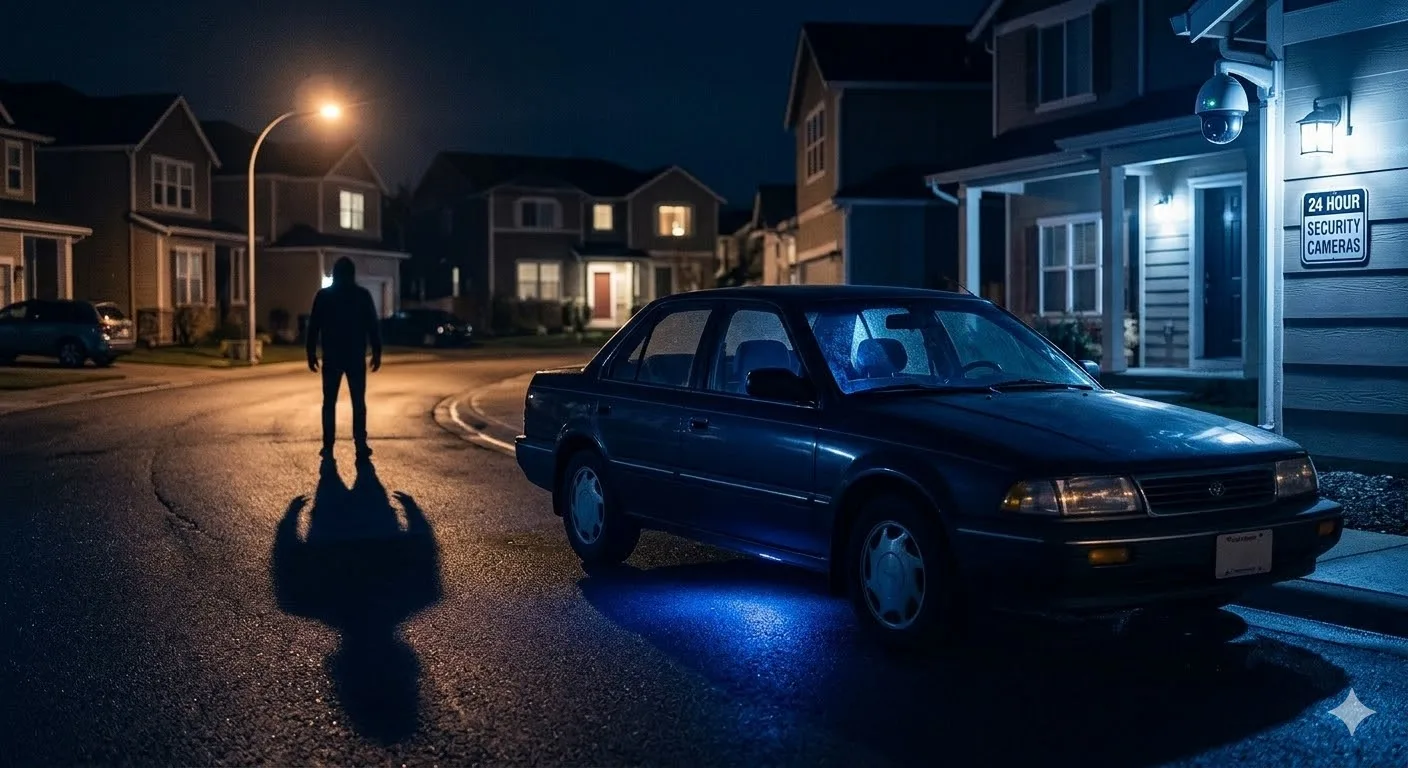
Catalytic Converter Theft: By the Numbers
Catalytic converter theft has reached epidemic proportions across the United States. According to the National Insurance Crime Bureau (NICB), catalytic converter theft claims increased by over 1,200% between 2019 and 2023, and the trend continues into 2026. Understanding the statistics helps vehicle owners assess their risk and take appropriate preventive measures.
Key Statistics
Claims filed: Over 153,000 catalytic converter theft insurance claims were filed in 2023, up from just 16,600 in 2020. Average loss: The average insurance claim for catalytic converter theft is $1,500-$3,000, including parts and labor. Time to steal: An experienced thief can cut out a converter in 60-90 seconds using a battery-powered reciprocating saw. Scrap value: Thieves can sell a stolen converter for $50-300 at scrap yards, while the victim pays $1,000-3,000 for replacement.
Most Targeted Vehicles
The Toyota Prius is the #1 most targeted vehicle because its hybrid engine produces cleaner exhaust, meaning its converter contains higher concentrations of precious metals that are less degraded. Other highly targeted vehicles include: Toyota Tacoma, Honda Accord, Ford F-series trucks, Honda CR-V, Toyota Camry, Chevrolet Silverado, and any vehicle with high ground clearance that provides easy access.
Most Affected Cities
Metropolitan areas with the highest theft rates include: Los Angeles, CA (highest in the nation), Houston, TX, Denver, CO, San Francisco, CA, Portland, OR, Seattle, WA, and Philadelphia, PA. Urban areas with high vehicle density and street parking see the most thefts.
Prevention Measures
Effective deterrents include catalytic converter shields/cages ($150-500 installed), VIN etching on the converter (free at many police departments), parking in well-lit or enclosed areas, motion-activated cameras and alarms, and catalytic converter-specific alarm systems that detect vibrations from cutting tools.
Related Articles
P0420 Code · Catalytic Converter Check Engine Light · Catalytic Converter Smell