Catalytic Converter and the Check Engine Light
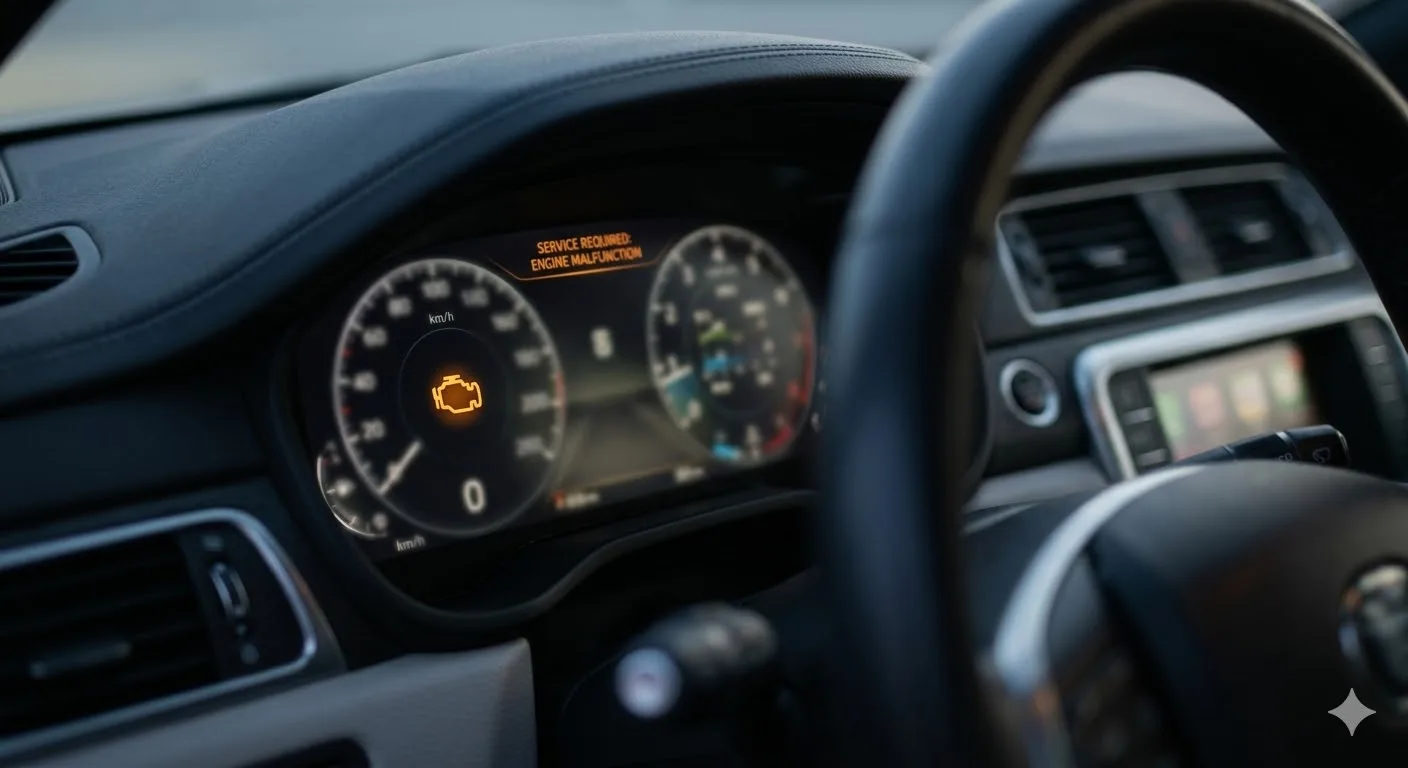
The check engine light illuminating on your dashboard is often the first indication of a catalytic converter problem. Your vehicle's OBD-II system continuously monitors converter efficiency through upstream and downstream oxygen sensors. When the converter's performance drops below acceptable levels, the system stores a diagnostic trouble code (DTC) and turns on the warning light.
P0420: The Converter Code
P0420 — "Catalyst System Efficiency Below Threshold (Bank 1)" — is the most common code associated with catalytic converter failure. This code means the downstream O2 sensor is detecting similar readings to the upstream sensor, indicating the converter isn't effectively processing exhaust gases. On V-engine vehicles, P0430 is the equivalent code for Bank 2.
What P0420 Doesn't Mean
Important: P0420 doesn't always mean your converter needs replacement. Other causes include: faulty oxygen sensors (giving false readings), exhaust leaks before the converter, engine misfires sending unburned fuel into the converter, or a loose gas cap affecting the evaporative emissions system. A thorough diagnosis should rule out these cheaper fixes before replacing the converter.
What To Do When You See the Light
Step 1: Get the code scanned (free at most auto parts stores). Step 2: If it's P0420/P0430, check for obvious issues first — gas cap, exhaust leaks, recent engine work. Step 3: Have O2 sensors tested before assuming converter failure. Step 4: If the converter is confirmed bad, get quotes from multiple shops and compare OEM vs aftermarket replacement options.
Related Articles
P0420 Code · Catalytic Converter Theft Statistics 2026 · Catalytic Converter Smell