
Catalytic Converter Smell Guide
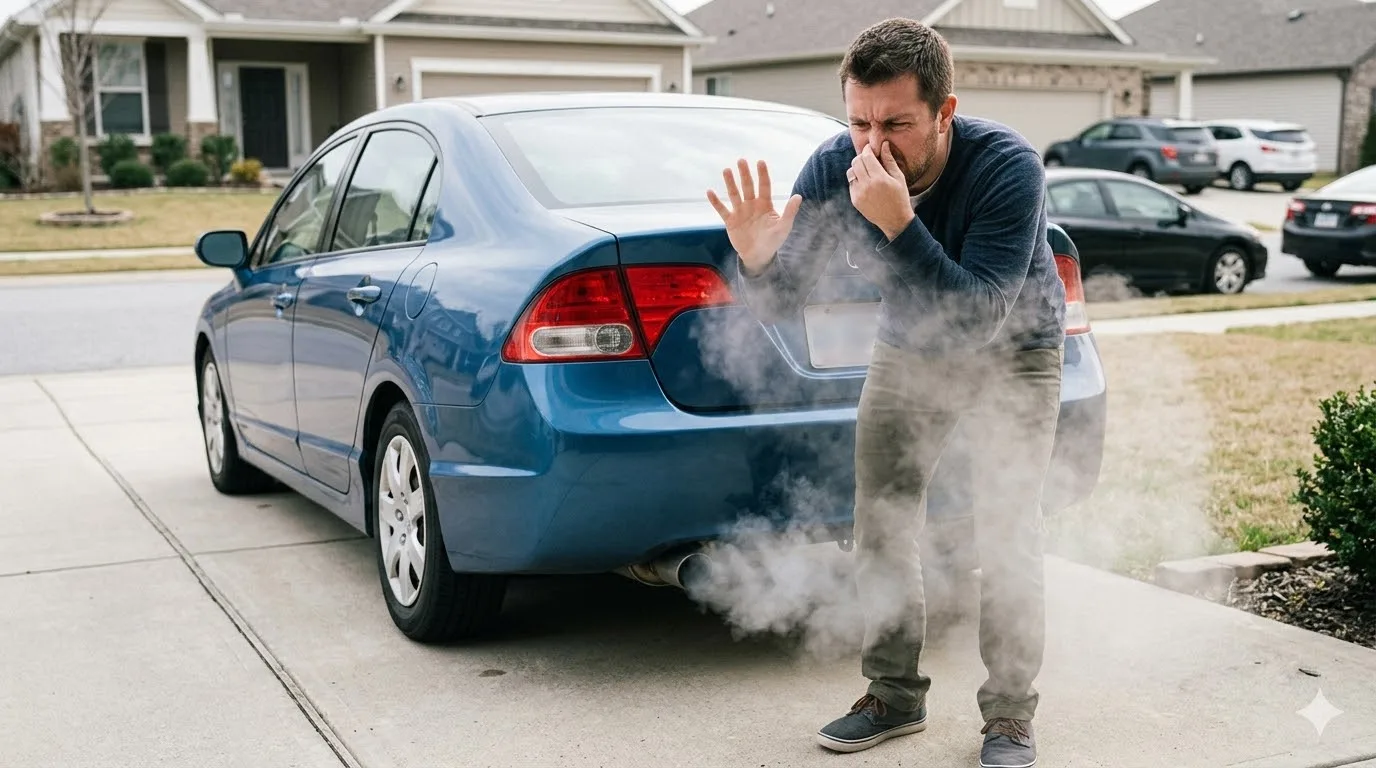
Unusual smells from your exhaust can be important diagnostic clues about your catalytic converter's health. Different smells indicate different types of failure, and understanding them can help you catch problems early.
Rotten Egg / Sulfur Smell
The most common converter-related smell is a rotten egg or sulfur odor. Gasoline contains small amounts of sulfur, which the converter normally converts to odorless sulfur dioxide. When the converter fails, it can't complete this conversion, releasing hydrogen sulfide — the gas responsible for the classic rotten egg smell. If this smell is constant, your converter is likely failing. If it only occurs occasionally, it may indicate an overly rich fuel mixture that's overwhelming a still-functional converter.
Burning Smell
A burning or hot metal smell can indicate an overheating converter. This happens when excessive unburned fuel enters the converter (from engine misfires or a rich fuel mixture) and ignites inside, raising temperatures beyond the converter's design limits (1,200-1,600°F). This is dangerous and can potentially start a fire if combustible materials are near the converter.
Sweet Smell
A sweet, maple syrup-like smell from the exhaust usually indicates coolant entering the combustion chamber (from a blown head gasket or cracked cylinder head). While not directly a converter problem, the coolant contaminates the catalyst material and will eventually destroy the converter. This smell requires immediate attention.
When to Take Action
Any persistent unusual exhaust smell warrants a mechanic visit. Rotten egg smell = converter degradation. Burning smell = potential fire hazard, stop driving immediately. Sweet smell = coolant leak, engine damage risk. The sooner you address these, the less likely you'll need to replace both the converter and the underlying cause.