Catalytic Converter and Emissions Testing
The catalytic converter is the single most important component for passing an emissions test. A failing or missing converter is virtually guaranteed to cause a failure. Understanding what's tested and what the acceptable limits are helps you prepare and avoid costly re-test fees.
What's Measured
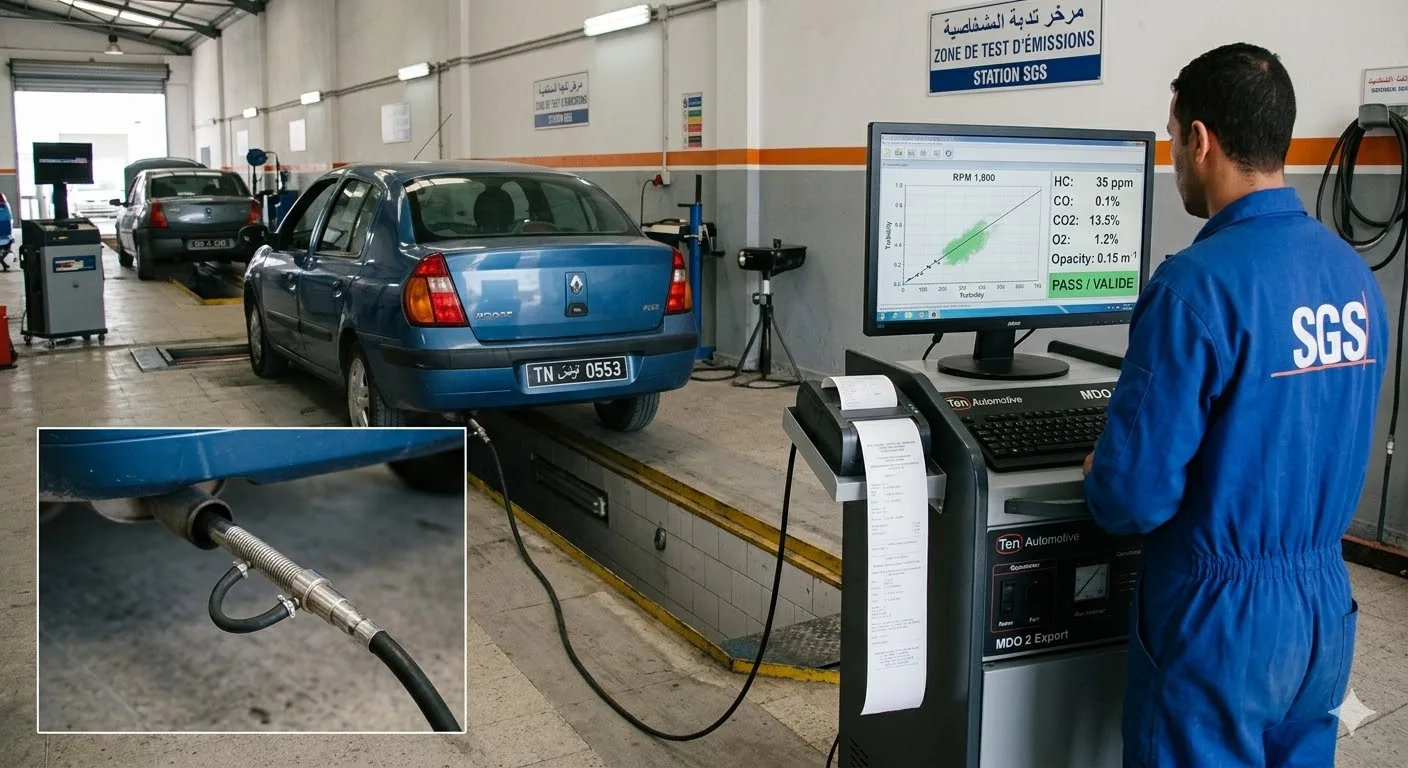
Emissions tests measure three key pollutants that the catalytic converter is responsible for reducing: Carbon Monoxide (CO) — passing threshold is typically under 1.0% for newer vehicles. Hydrocarbons (HC) — measured in parts per million (PPM), usually must be under 200 PPM. Nitrogen Oxides (NOx) — also measured in PPM, typically under 1,000 PPM for standard tests.
OBD-II Readiness
Many states now use OBD-II plug-in testing instead of (or in addition to) tailpipe testing. This means your vehicle's computer must show that all emissions monitors have completed successfully, including the catalyst monitor. If your check engine light is on with a P0420 code, you will automatically fail the OBD-II test regardless of actual tailpipe readings.
Tips to Improve Your Chances
1. Drive at highway speeds for 20-30 minutes before the test to fully warm up the converter. 2. Use catalytic converter cleaner additive 1-2 tanks before the test. 3. Ensure all engine maintenance is current — spark plugs, air filter, oil change. 4. Fix any check engine codes before testing. 5. If you've recently cleared codes, drive at least 100 miles to allow all monitors to complete.